

RIT – ETC Toll Management (Electronic Toll Collection)
RIT
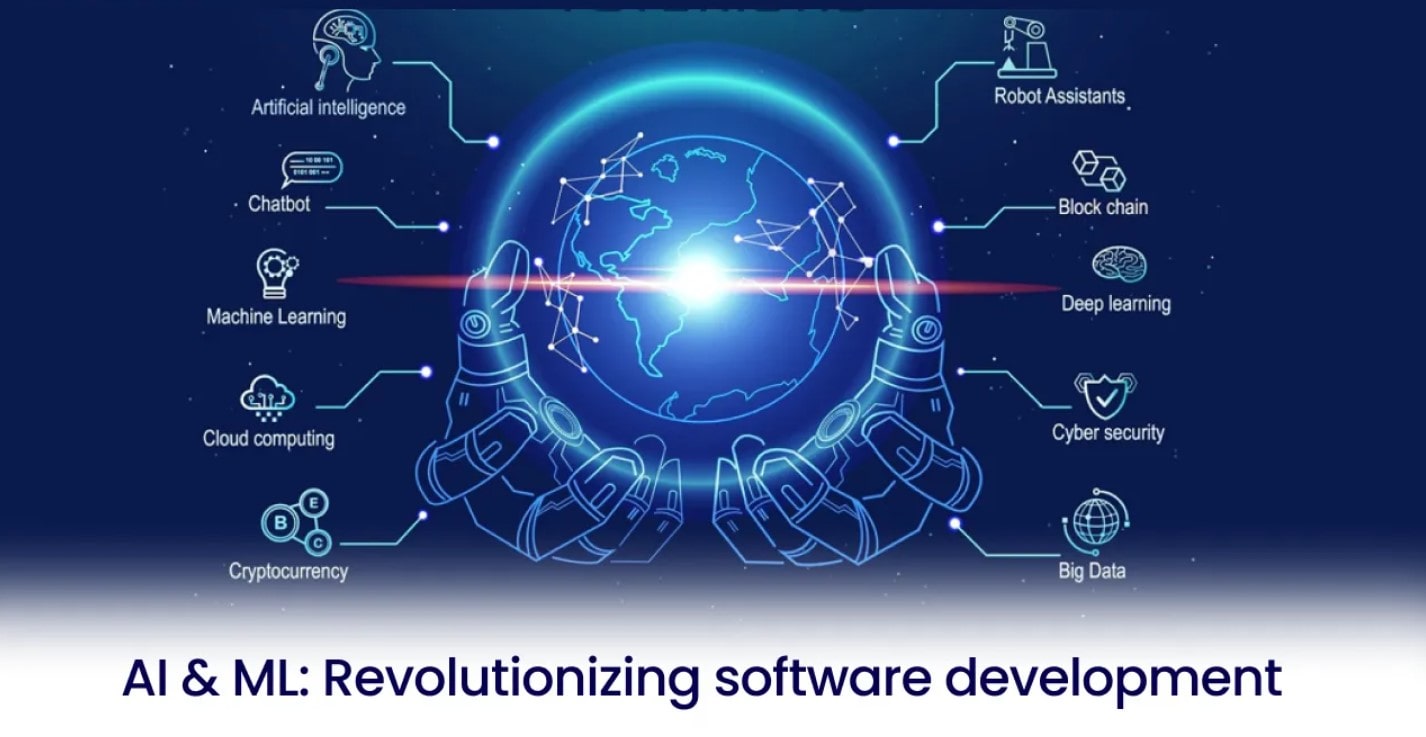
Artificial intelligence (AI) software development involves creating applications and systems that can perform tasks typically requiring human intelligence. This includes capabilities such as learning, reasoning, problem-solving, understanding natural language, and perception.
Key areas of AI software development:
- Machine Learning (ML): Developing algorithms that allow systems to learn from data and improve performance over time without being explicitly programmed.
- Natural Language Processing (NLP): Creating software that can understand, interpret, and generate human language, enabling applications like chatbots, virtual assistants, and language translation.
- Computer Vision: Building systems that can interpret and analyze visual data from the world, such as images and videos, for applications like facial recognition and object detection.
- Robotics: Designing AI-powered robots that can perform tasks autonomously or assist humans in various environments.
- Expert Systems: Developing software that mimics human decision-making by using a knowledge base and inference rules.
Impact Across Bangladesh & South Asia
AI software development is rapidly transforming industries across Bangladesh and South Asia. In Bangladesh, AI-powered platforms are supporting national digitization goals in transportation, security, and public services. Smart surveillance, vehicle tracking, and automated data processing are improving road safety and traffic enforcement. India’s AI adoption is accelerating even faster, particularly in logistics, fintech, and public infrastructure. Nepal and Sri Lanka are also integrating AI into smart transport, port management, and urban monitoring projects.
As AI technologies continue to evolve, they hold immense potential to drive economic growth, enhance public services, and improve quality of life across the region.
Applications of AI software development:
AI software development has a wide range of applications across various industries, enhancing efficiency, accuracy, and decision-making processes.
- Healthcare: AI-driven diagnostics, personalized treatment plans, and drug discovery.
- Finance: Fraud detection, algorithmic trading, and customer service automation.
- Retail: Personalized recommendations, inventory management, and customer behavior analysis.
- Transportation: Autonomous vehicles, traffic management, and route optimization.
- Manufacturing: Predictive maintenance, quality control, and supply chain optimization.
Challenges in AI software development:
Despite its potential, AI software development faces several challenges that need to be addressed for successful implementation.
- Data Quality and Quantity: AI systems require large amounts of high-quality data for training, which can be difficult to obtain.
- Ethical Considerations: Ensuring AI systems are fair, transparent, and unbiased is a significant challenge.
- Complexity: Developing AI algorithms and models can be complex and require specialized knowledge.
- Integration: Integrating AI solutions into existing systems and workflows can be challenging.
Future of AI software development:
The future of AI software development is promising, with advancements in technology and increased adoption across industries. Emerging trends include:
- Explainable AI: Developing AI systems that can provide transparent explanations for their decisions and actions.
- Edge AI: Implementing AI algorithms on edge devices to reduce latency and improve real-time processing.
- AI Democratization: Making AI tools and resources more accessible to a broader range of developers and organizations.
- AI Ethics and Governance: Establishing frameworks and guidelines to ensure responsible AI development and deployment.
Conclusion:
AI software development is a rapidly evolving field with the potential to transform various industries and improve human lives. By addressing challenges and leveraging advancements in technology, developers can create innovative AI solutions that drive progress and efficiency.